Akinola Davies Jr., the personal, the political and the cultural
Hanging on the wall (eyes following like the Mona Lisa). Plastered across the taxi driver’s windshield (like his guardian angel). Nodding bobble head in the storage cupboard you wander into (after being ejected from Sunday School teachings).
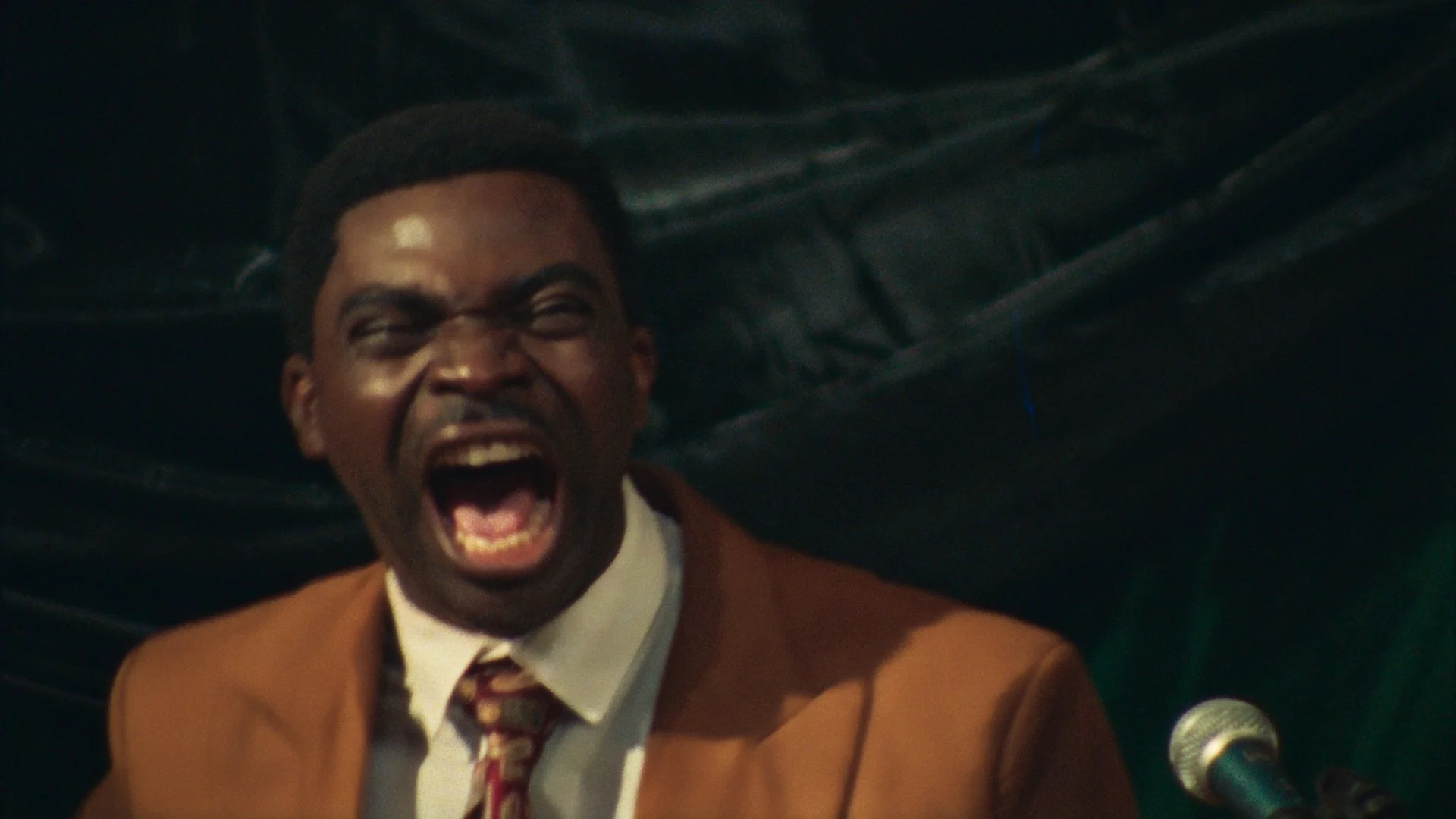
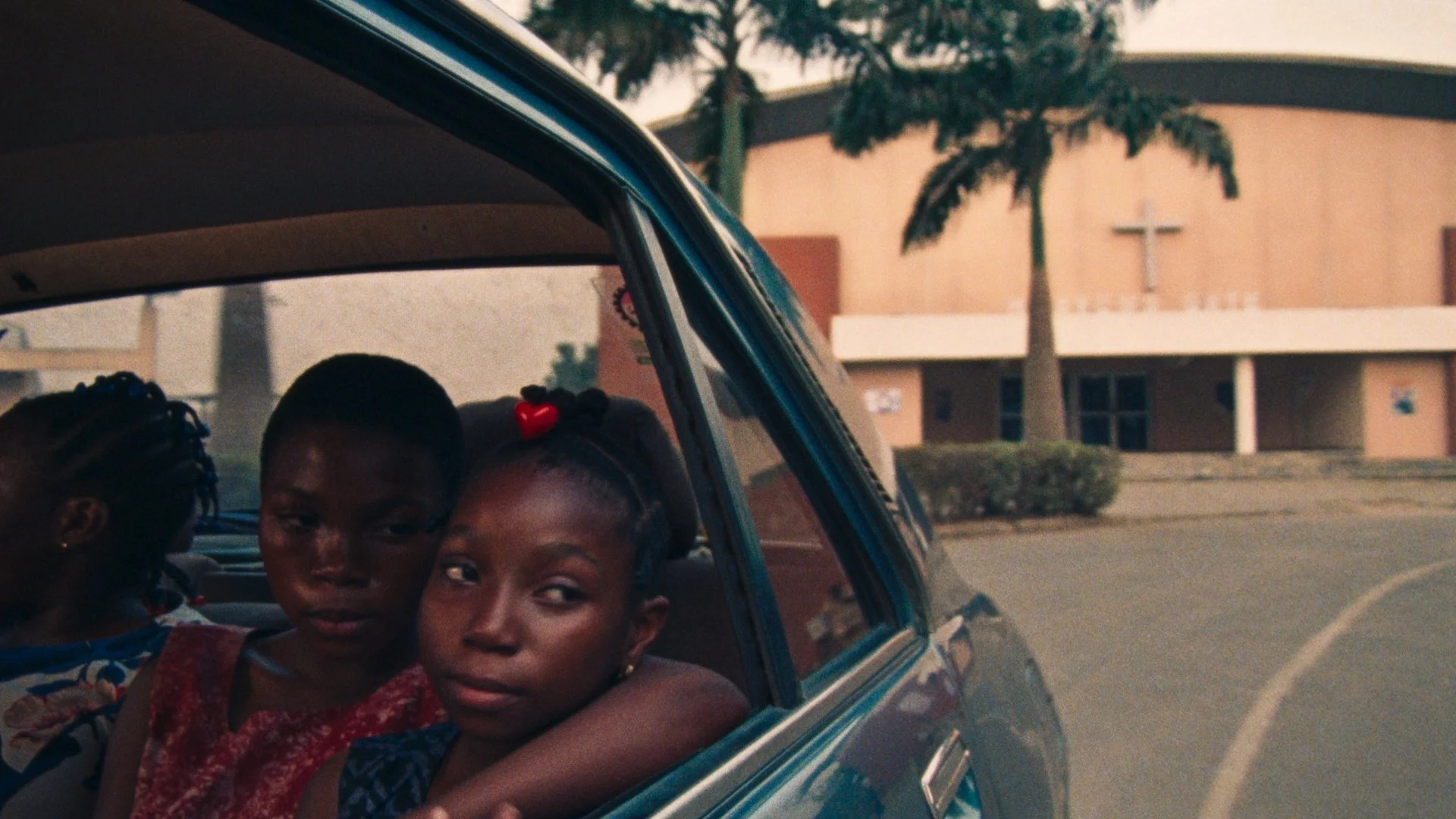
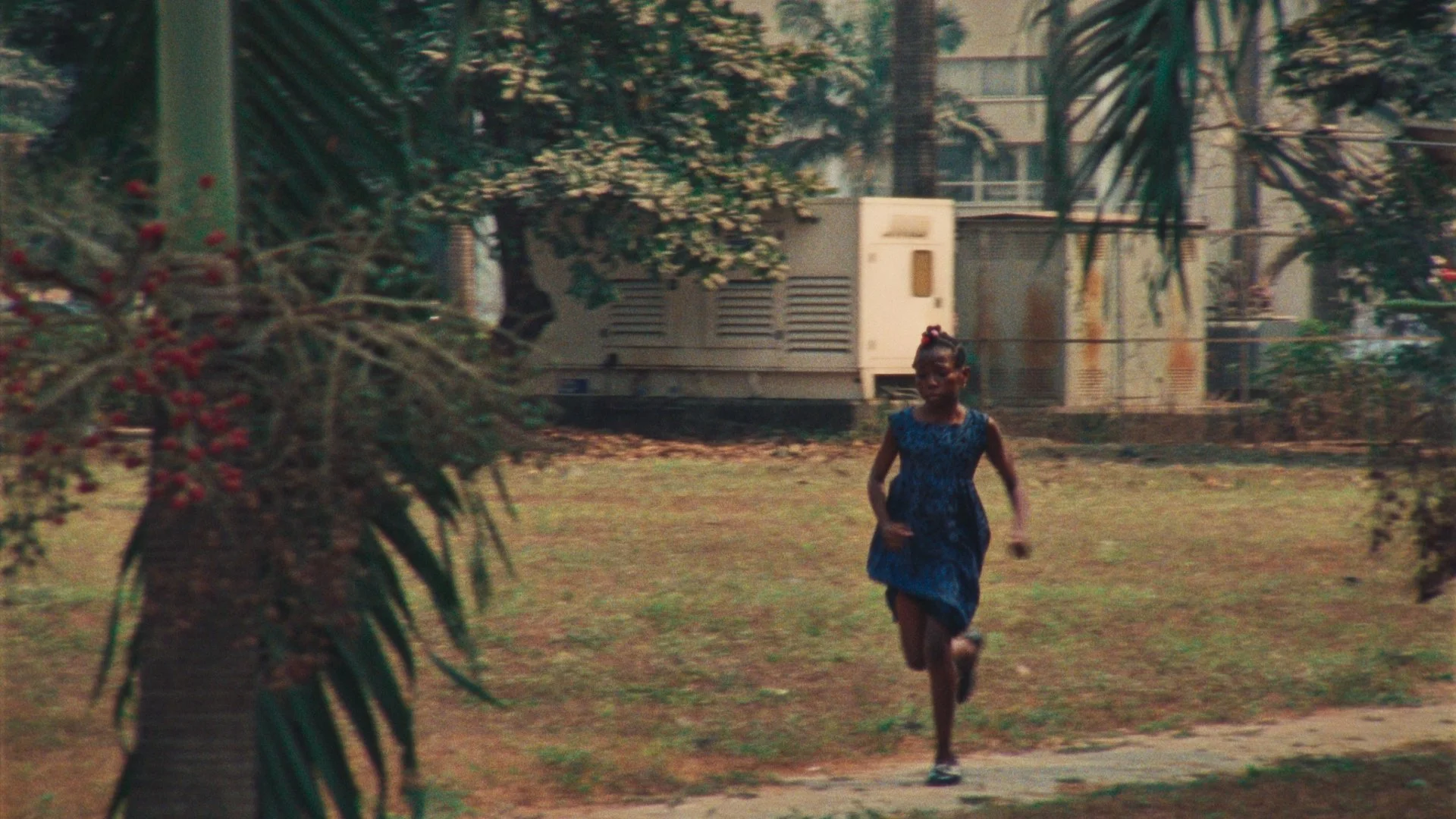
Yes, Jesus is nearly everywhere you look in Akinola Davies Jr. 's’ acclaimed short Lizard (2020), in which an 8-year-old girl skips church and later locks eyes with a gunman - even the outlaws pray before a heist. The film’s plot happened almost beat for beat in Akinola’s real life; he too was robbed at gunpoint at the same age as the protagonist. A nod to the non-fiction is imbued in all of his works, from the personal to the political and cultural. Relating to the former, his debut feature My Father’s Shadow (2025) has a strong element of autobiography, where loss of innocence similarly becomes a terrifying thing. Co-written with his brother Wale Davies, it follows two brothers across one day in Lagos with their father, set against the political backdrop of Nigeria’s 1993 election crisis.
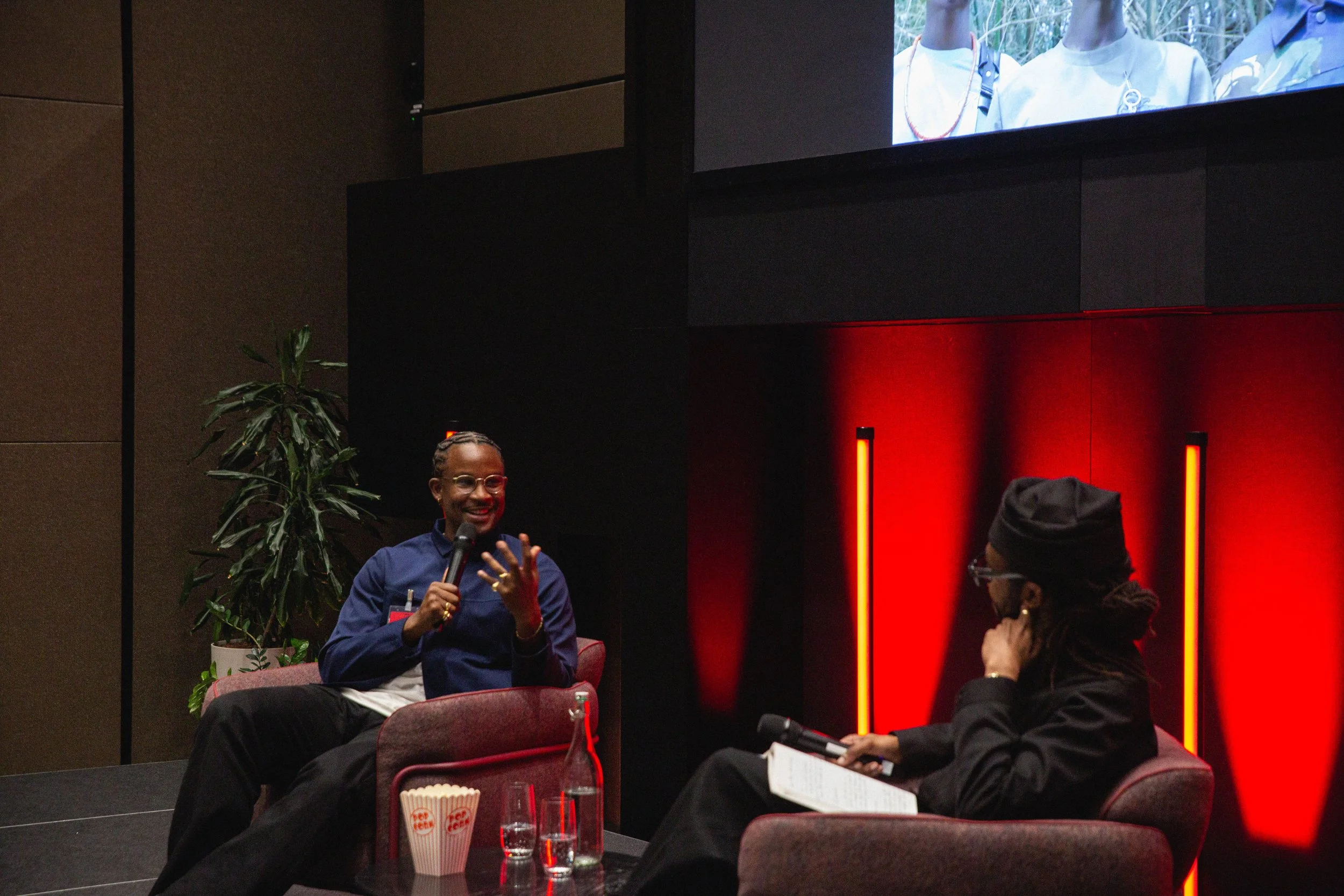
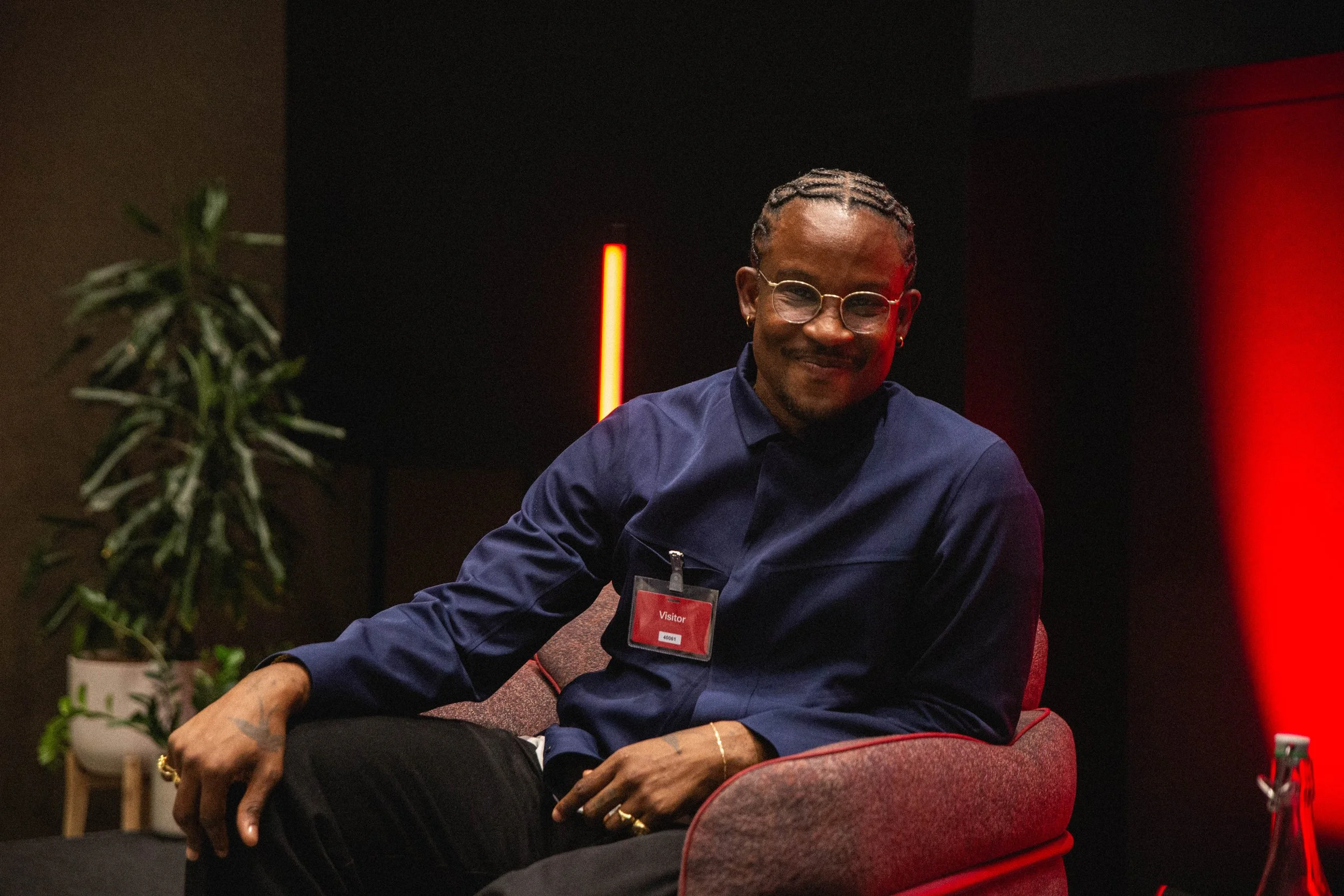
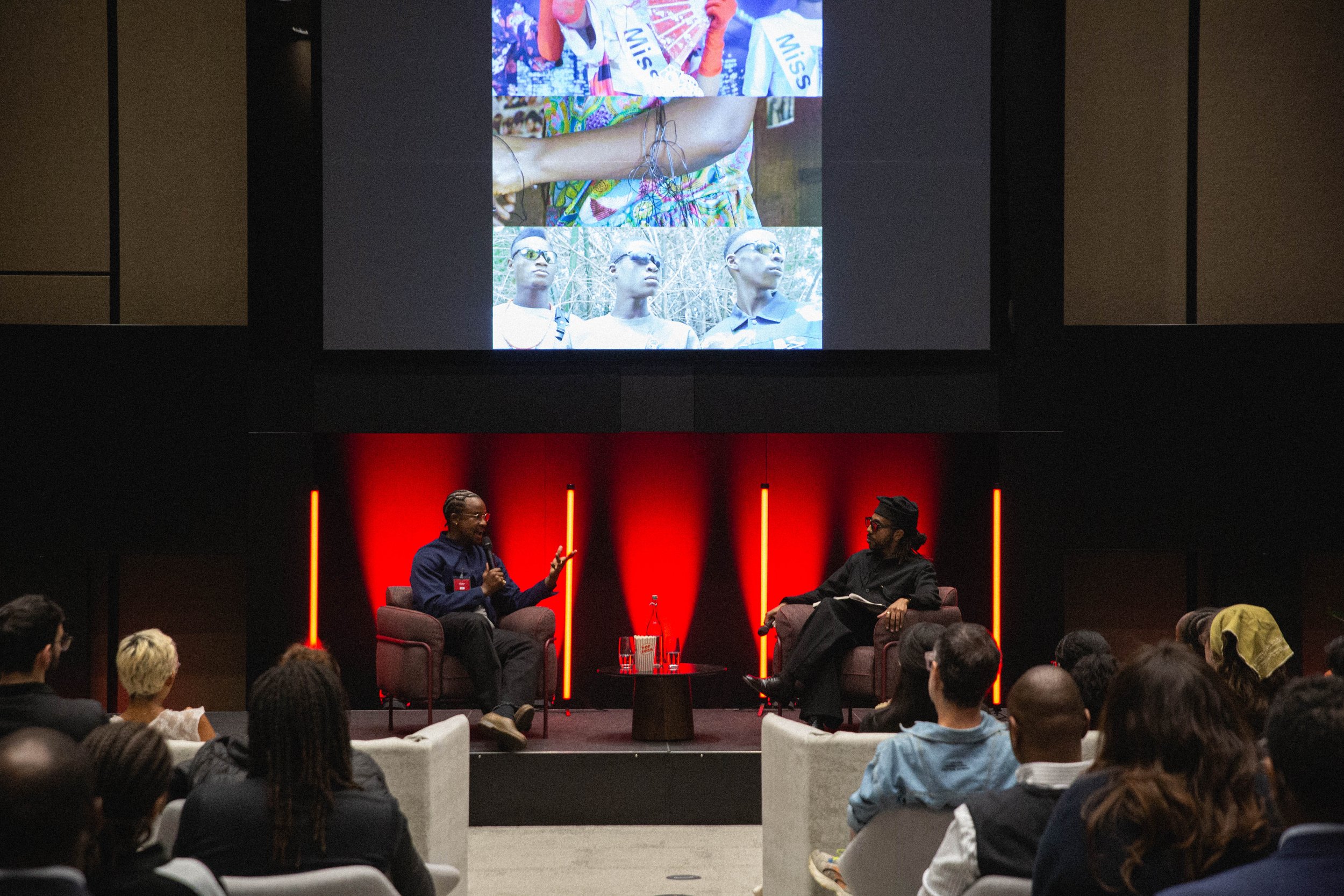
Political and cultural truth operated at our HSBC screening in two of Akinola’s earlier shorts. First up was Marks of Worship (2016), a music video depicting a traditional Nigerian celebration, its audio prominently built around a WhatsApp sermon sent by an aunt. Then, Gidi Gidi Bu Ugwu Eze / Unity is Strength (2017), a collaboration with fashion house Kenzo shot in Nsukka, one of the Igbo communities of Nigeria. All featured models were cast from the school, church and markets of Nsukka, who showcase the richly coloured, authentic dress and rituals that characterise Akinola’s vibrant, saturated and spiritually charged visual language.
During our event, Akinola said he was inspired to make this film after learning the first Black Miss America was founded in 1968 by a father, following his daughters’ expressed desire to compete, in light of pageants’ histories of racial discrimination and black girls’ exclusion. The need for positive representation was a repeated motif in our conversation with Akinola, who admitted feeling responsibility to capture people in an ‘honest a light as you can’ to not add to the canon of negative stereotypes. He cited a lack of affirming, positive images of his culture onscreen and the negative effect this has on black people’s mental health. Aklinola aims to exhibit the country’s humanity to people who haven’t been to Nigeria. He brought up the importance of this today, particularly in juxtaposing the UK Foreign, Commonwealth & Development Office (FCDO) maintaining a ‘Do Not Travel’ list for specific regions in the country, where the FCDO advises against all but essential travel. Akinola also enlightened our audience on how tribalism affects his work on a practical level, it being very difficult to access all parts of Nigeria (with hundreds of different languages and dialects, constrained within a prism of colonisation): “There is this narrative of not knowing your own brother”.
Akinola’s debut feature made history last year, becoming the first Nigerian production officially selected for the Cannes Film Festival, and also won the 2026 BAFTA for Outstanding Debut by a British Writer, Director or Producer. This week, he was invited to join the Academy of Motion Picture Arts and Sciences, the organisation behind the Oscars. Membership is an influential and top honour in global film, giving members voting power on the Academy Award Winners. As such, his inauguration will undeniably increase the visibility and inclusion of African voices in mainstream cinema.